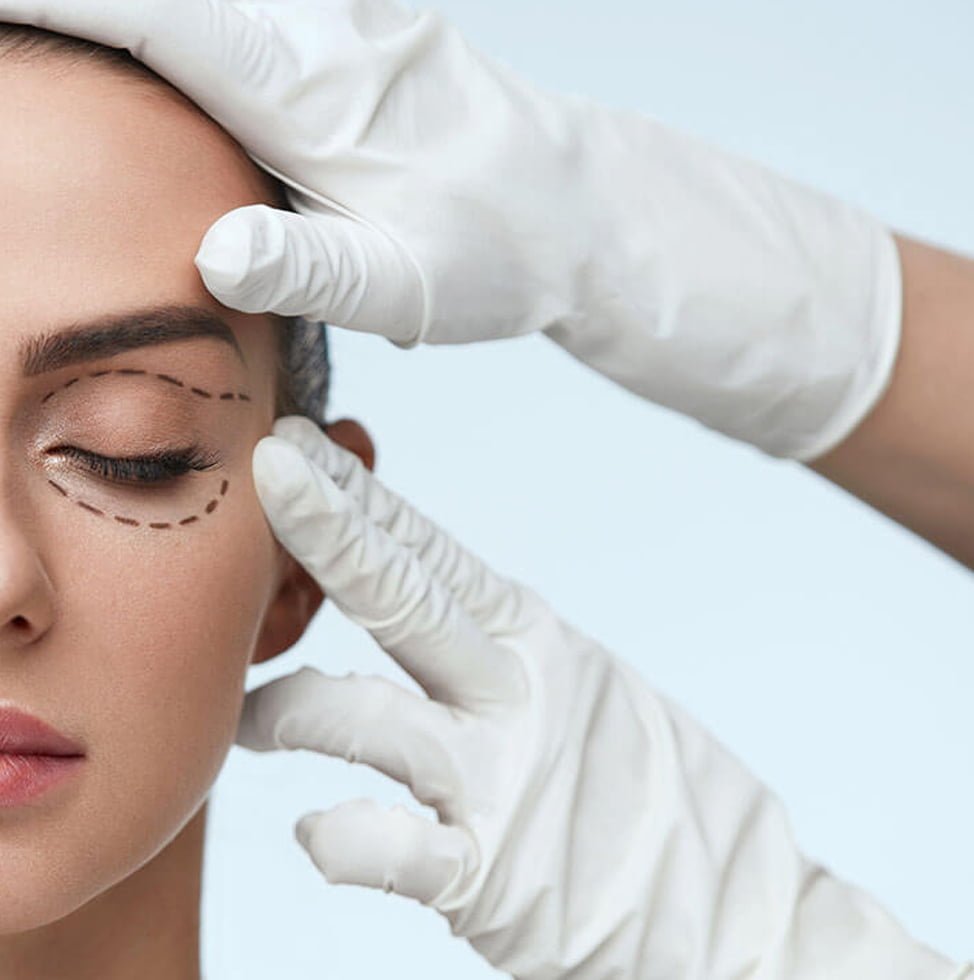
Eyelid Surgery in Indore

Blepharoplasty to improve eyelid contours and address excess skin, fat, and under-eye bags
Eyelid Surgery in indore

What Is

Eyelid Surgery

Eyelid surgery, or blepharoplasty, is performed to correct changes in the upper or lower eyelids caused by excess skin, fat, or age-related tissue changes. Drooping upper eyelids, puffiness beneath the eyes, and under-eye hollowness can affect the appearance of the eye area and make the face look tired.
 
Dr. Ankit Shah examines the eyelids and surrounding tissues to determine whether the concern is related to excess skin, fat, muscle, or loss of volume. Depending on the findings, treatment may include upper eyelid surgery, lower blepharoplasty, or correction of under-eye hollowness.
 
For patients whose upper-eyelid skin is affecting their field of vision, an assessment can also determine whether removing the excess skin may provide functional improvement. The treatment plan is based on the patient’s anatomy and the amount of correction required.

Types Of Eyelid Surgery

Upper Eyelid Surgery

Upper blepharoplasty addresses excess skin and, where necessary, small amounts of excess fat in the upper eyelid. The incision is usually placed along the natural crease of the eyelid.

Lower Eyelid Surgery

Lower blepharoplasty can reduce the appearance of under-eye bags and address excess skin or fat below the eyes. Fat may be removed or repositioned depending on the patient’s anatomy.

Under-Eye Hollowness Correction

Hollowing beneath the eyes may be related to loss of soft-tissue volume rather than excess fat. Selected patients may benefit from volume restoration using fat grafting or another suitable method.

Upper and Lower Blepharoplasty

When both the upper and lower eyelids have concerns, treatment of both areas can sometimes be planned together. The decision depends on the patient’s health and individual eyelid anatomy.

Who Can Benefit?
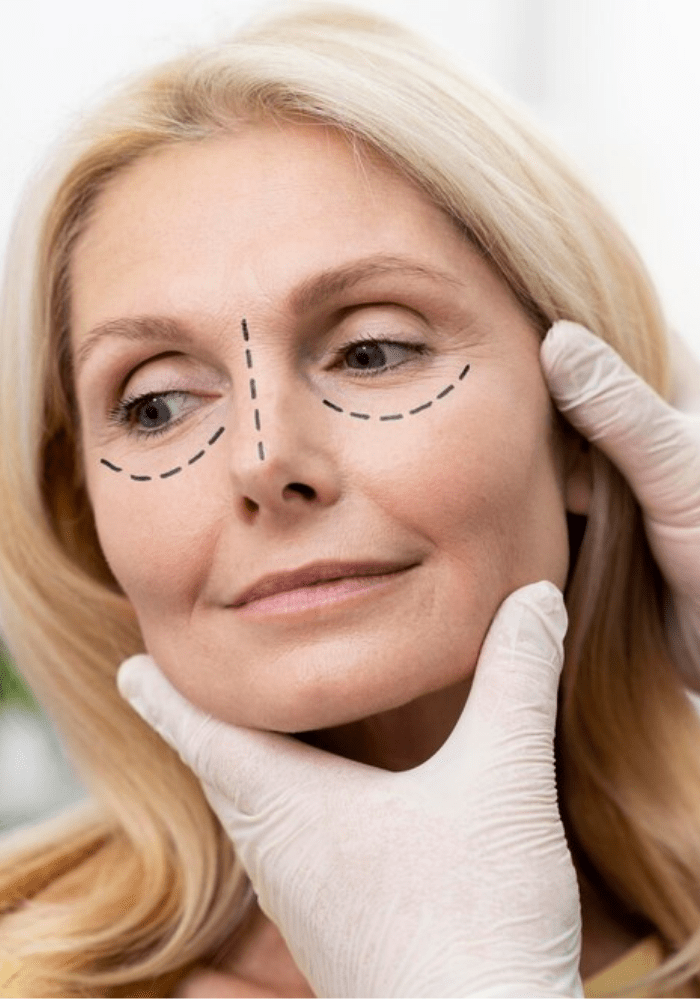
People with loose or drooping skin on the upper eyelids.
Patients with prominent under-eye bags or excess lower-eyelid fat.
Individuals with hollowing beneath the eyes that affects the appearance of the eye area.
Those whose excess upper-eyelid skin may be affecting their peripheral vision.

Adults who are medically suitable for surgery and understand the expected changes.

eyelid surgery

Why Trust Us With Your Eyelid surgery?

Dr. Ankit Shah

Careful Eye-Area Assessment

The eyelid skin, fat, muscle, position, and surrounding facial structures are evaluated before deciding on treatment.

Controlled Tissue Correction

The goal is to remove or reposition only the tissue that needs correction while preserving normal eyelid function and facial expression.

Treatment Matched to Anatomy

Upper blepharoplasty, lower blepharoplasty, or volume correction is selected according to the specific concern rather than using one approach for every patient.

Recovery Support

Patients receive instructions for caring for the surgical area, controlling swelling, resuming activities, and attending follow-up appointments.

What to Expect During & After Surgery

During Surgery

The procedure is performed under suitable anesthesia. Depending on the treatment, excess eyelid skin is removed, fat is removed or repositioned, and the tissues are adjusted to improve the eyelid contour. Incisions are planned in natural creases or other discreet locations.

Recovery

Bruising and swelling around the eyes are expected during the early recovery period. Temporary tightness, sensitivity, or dryness can also occur. Patients are advised to protect the eyes, avoid rubbing them, and follow the surgeon’s instructions during healing.

Results

The appearance of the eyelids improves progressively as bruising and swelling settle. The final contour becomes clearer over the following weeks as the tissues heal.

Follow-Up

Follow-up appointments are used to monitor the incisions, eyelid position, swelling, and healing. Guidance about makeup, contact lenses, exercise, and other activities is provided according to recovery.

Frequently Asked Questions About Eyelid Surgery

Many people with office-based work can return after approximately one week, depending on swelling and bruising. The recovery period can be longer for physically demanding work.
When excess upper-eyelid skin is obstructing the visual field, removing that skin may improve peripheral vision. An assessment is needed to establish whether eyelid surgery is appropriate for this purpose.
The results can last for many years, but the eyelids continue to undergo natural age-related changes. New skin laxity or changes in the fat and surrounding tissues can develop over time.
It can be combined with other procedures in selected patients. The safety and suitability of combining treatments depend on the patient’s health and the procedures being considered.
Anesthesia is used during the procedure to keep the treatment comfortable. Mild soreness, tightness, or sensitivity may occur after surgery and usually improves during the early recovery period.
The procedure time varies according to whether one or both eyelids are treated and whether another correction is performed at the same time.
Upper eyelid scars are generally hidden within the natural eyelid crease. Lower eyelid scars may be placed inside the eyelid or close to the lash line depending on the technique. Their appearance usually improves as healing progresses.
The most noticeable swelling and bruising generally occur during the first several days and gradually reduce. Smaller amounts of swelling can remain for a few weeks.

Refresh Your Eyes With the Right Treatment Plan
Consult Dr. Ankit Shah to discuss your eyelid concerns and learn which eyelid surgery options may be suitable for you in Indore.
Scroll to Top