Hair Transplant in Indore

Advanced hair restoration for thinning, receding hairlines, and bald areas
Hair Transplant in Indore
What Is

Hair Transplant

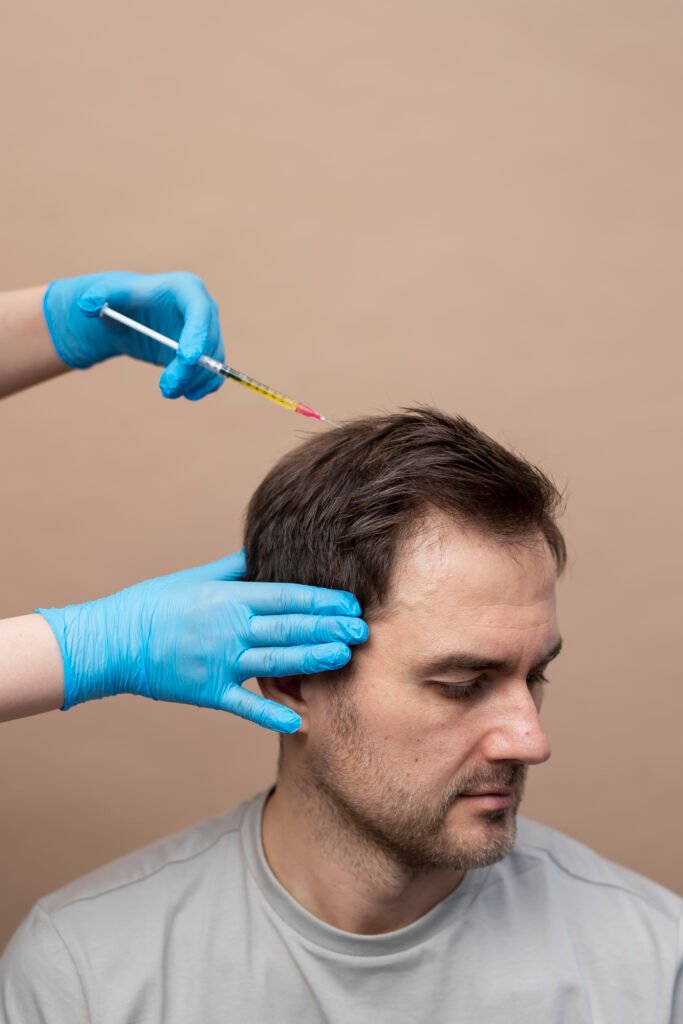
Hair transplant is a surgical method of restoring hair by moving healthy hair follicles from a donor area of the scalp to areas affected by hair loss. The follicles are usually taken from the back or sides of the head, where hair tends to remain more resistant to pattern hair loss. The transplanted follicles can then produce hair in areas where natural growth has reduced.
Dr. Ankit Shah plans hair transplant treatment according to the patient’s pattern of hair loss, scalp condition, donor hair, and required coverage. Depending on individual needs, options may include FUE, FUT, and supportive treatments such as PRP. Careful hairline planning and placement of individual grafts help maintain a natural appearance as the transplanted hair grows.

Our Hair Transplant Options

FUE Hair Transplant

FUE involves extracting individual follicular units from the donor area using small instruments. These follicles are then implanted into the areas requiring additional coverage. The technique avoids the need for a long strip incision.

FUT Hair Transplant

In FUT, a strip of skin containing healthy hair follicles is removed from the donor area. The strip is divided into individual grafts, which are then transplanted into the areas of hair loss.

PRP Therapy

PRP may be used as an additional treatment in selected cases. It involves preparing platelet-rich plasma from the patient’s own blood and applying it to the scalp to support existing hair and the overall treatment plan.

Who can Benefit?
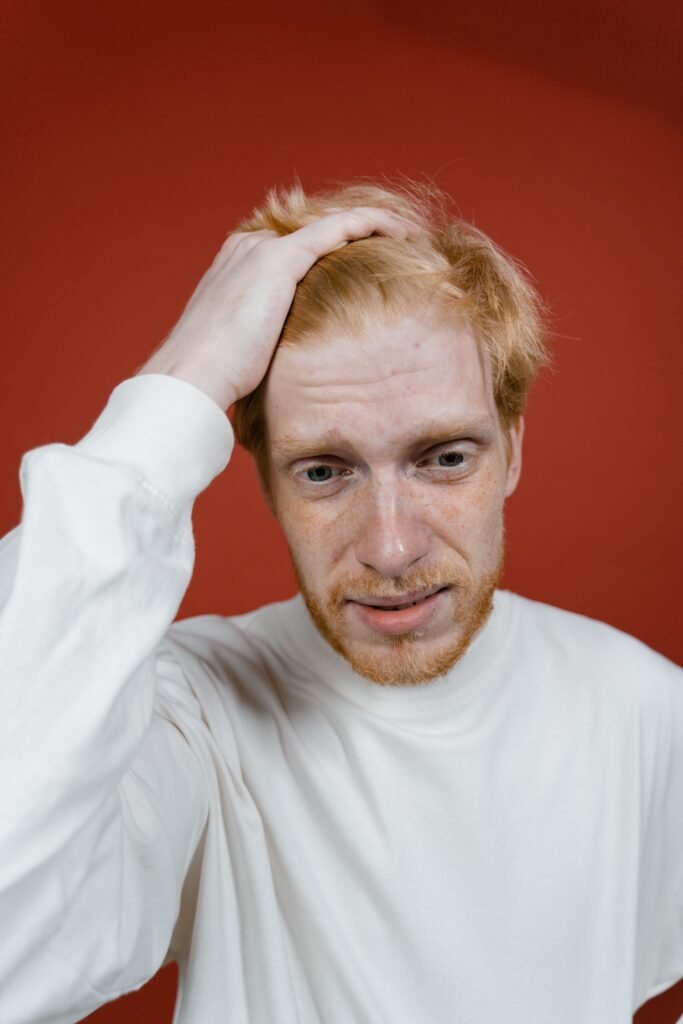
Men with a receding hairline, thinning crown, or male pattern baldness
Women with selected patterns of hair thinning and adequate donor hair.
Patients with bald patches where sufficient donor follicles are available.
Those wanting to improve hair density or restore a receding hairline.

People who are generally healthy and have realistic expectations about hair restoration.

Hair Transplant

Why Trust Us With Your Hair Transplant?

Careful Hairline Design

The new hairline is planned with attention to facial proportions, existing hair, age, and the expected progression of hair loss.

Individual Graft Placement

Each graft is positioned according to the direction and angle of natural hair growth to help maintain a natural appearance.

Appropriate Treatment Planning

The choice between FUE, FUT, or additional treatments depends on the patient’s donor area, hair loss pattern, and restoration requirements.

Complete Treatment Guidance

From the initial scalp assessment to post-procedure care, patients receive instructions for protecting the transplanted area and supporting recovery.

What to Expect During & After Surgery

During Surgery

The procedure is generally carried out under local anesthesia. Hair follicles are carefully collected from the donor area and prepared for transplantation. The recipient area is then prepared, and grafts are placed according to the planned hairline and required density.

Recovery

Temporary redness, swelling, tenderness, or small crusts can occur after transplantation. These usually settle gradually. Patients are given specific instructions regarding hair washing, sleeping position, physical activity, and scalp protection during the early recovery period.

Growth Timeline

The transplanted hair does not grow immediately. Some of the transplanted hair may shed during the first few weeks before the follicles begin a new growth cycle. New hair growth generally becomes visible after a few months and continues to improve over time.

Follow-Up

Follow-up visits allow the surgeon to monitor scalp healing and the progress of hair growth. Additional treatment or supportive care can be discussed if required.

Frequently Asked Questions About hair transplant

The operating time varies according to the number of grafts and the technique used. A larger transplant session may take several hours.
Hair growth takes time because transplanted follicles go through their normal growth cycle. Visible new growth often starts after a few months, with continued improvement during the following months.
The required number varies from person to person. It depends on the size of the area being treated, the degree of hair loss, desired density, hair characteristics, and available donor follicles.
Light daily activity can often be resumed within a few days, while strenuous exercise may need to be restricted for longer. The exact timeframe should be followed according to the surgeon’s instructions.
Local anesthesia helps prevent significant discomfort during the procedure. Some soreness, tightness, or tenderness may be experienced after surgery and generally improves during the early recovery period.
FUE does not leave a long linear scar. Small marks at the individual extraction sites may remain, although their visibility varies between patients and generally reduces as they heal.
Some shedding of transplanted hair during the early weeks can occur and does not necessarily mean the follicles have been lost. The follicles can remain in place and produce new hair during the later growth phase.
A transplant may provide coverage in bald areas when an adequate supply of suitable donor follicles is available. The achievable density depends on the donor supply and size of the recipient area.

Take the First Step Towards Fuller Hair

Book a consultation with Dr. Ankit Shah to discuss your hair loss, assess your donor area, and understand the suitable hair transplant options available in Indore.
Scroll to Top