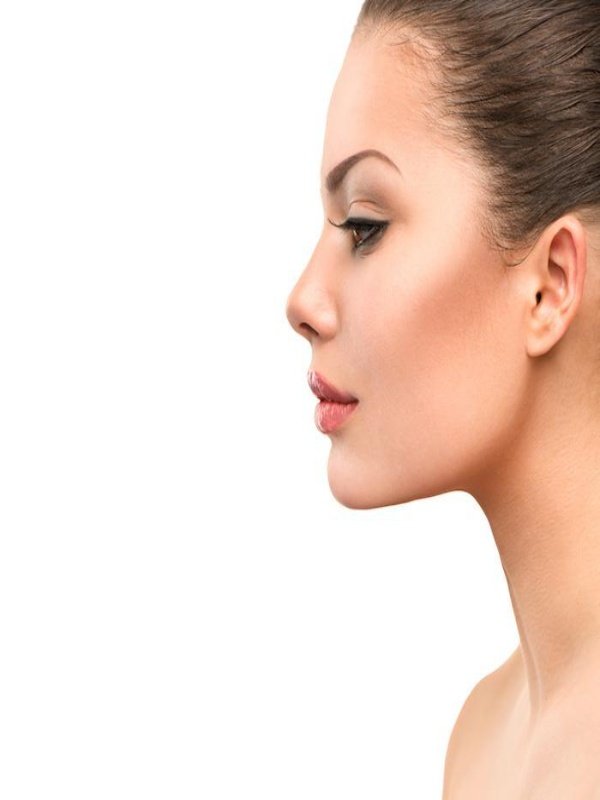
Rhinoplasty in Indore

Carefully planned nose reshaping for improved facial proportion and nasal function
Rhinoplasty in Indore
What Is

Rhinoplasty

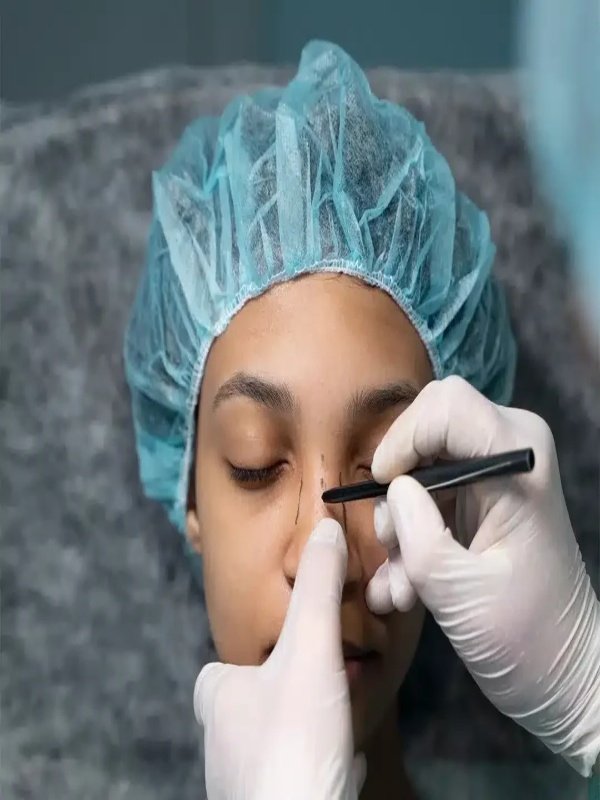
Rhinoplasty is a surgical procedure that changes the shape and structure of the nose. It may be performed to address a nasal hump, broad or uneven nose, changes in the nasal tip, nostril shape, or other concerns affecting the appearance of the nose. In appropriate cases, the procedure can also address structural problems associated with nasal breathing.
 
Dr. Ankit Shah examines the external shape and internal structure of the nose before deciding on the surgical approach. Rhinoplasty may involve reshaping the nasal bones or cartilage, refining the tip, reducing the nostril width, correcting the nasal base, or rebuilding areas where structural support is lacking. When a deviated septum contributes to breathing difficulty, septal correction can be incorporated into the treatment plan.

Types Of Rhinoplasty

Cosmetic Rhinoplasty

Cosmetic rhinoplasty changes the external shape of the nose to address concerns about size, profile, width, symmetry, or proportion with the rest of the face.

Functional Rhinoplasty

Functional rhinoplasty addresses structural problems that can affect nasal airflow. The procedure may involve correction of internal structures while also considering the external appearance of the nose.

Septorhinoplasty

Septorhinoplasty combines rhinoplasty with correction of a deviated nasal septum. It may be suitable for patients who have both appearance-related concerns and difficulty breathing through the nose.

Tip Refinement

Tip refinement focuses on the size, shape, projection, or position of the nasal tip. Cartilage may be reshaped or supported depending on the patient’s anatomy.

Alar Reduction

Alar reduction is used to modify the width or shape of the nostrils. It is planned carefully so that the nasal base remains proportionate to the rest of the nose.

Conditions Corrected during rhinoplasty Surgery

Bony Hump

A raised or prominent bridge can make the nose appear more prominent in profile. The nasal bones and cartilage can be reshaped to create a smoother bridge.

Deviated Septum

A deviated septum can narrow one or both nasal passages and may contribute to breathing difficulty. Septal correction can be performed when clinically appropriate.

Saddle Nose

A reduced or collapsed nasal bridge can affect both appearance and structural support. Selected patients may require cartilage grafting to restore the bridge.

Supratip Depression

A visible depression between the nasal bridge and tip can affect the smoothness of the nasal profile. The underlying cartilage and soft tissue are assessed before correction is planned.

Wide or Uneven Nasal Base

A broad or asymmetrical nasal base can be addressed through techniques such as alar or sill correction when appropriate for the patient’s facial proportions.

Who Can Benefit?

Adults who are unhappy with the shape or proportions of their nose.
Patients with a nasal hump, broad nose, uneven nostrils, or concerns about the nasal tip.
Individuals with nasal asymmetry following an injury or previous surgery.
Patients who have cosmetic concerns along with certain structural nasal problems.

People who are medically suitable for surgery and have realistic expectations about the outcome.

Rhinoplasty

Why Trust Us With Your rhinoplasty?

Best Plastic & Cosmetic Surgeon in Ahmedabad

Assessment of Nasal Structure

The external appearance and internal nasal structures are examined before deciding which areas need correction.

Facial Proportion

The planned changes take into account the patient’s facial features, nasal proportions, and existing nasal structure.

Cosmetic and Functional Planning

Where appropriate, both appearance and nasal airflow are considered when developing the surgical plan.

Individual Surgical Approach

The technique and extent of correction depend on the patient’s anatomy, concerns, and the changes that can reasonably be achieved.

What to Expect During & After Surgery

During Surgery

Rhinoplasty is performed under anesthesia. The required bone and cartilage are reshaped or repositioned, and additional structural support may be used when needed. The exact procedure depends on whether the goal is cosmetic correction, functional improvement, or both.

Recovery

Swelling, bruising, nasal congestion, and tenderness are common during the first part of recovery. The nose needs to be protected from pressure and accidental impact while the tissues heal.

Results

The initial shape becomes easier to see as the early swelling settles. Subtle swelling can remain for considerably longer, especially around the nasal tip, so the final result develops gradually.

Follow-Up

Follow-up appointments are important for checking healing, nasal shape, swelling, and breathing where functional correction has been performed. Further instructions are provided based on recovery.

Frequently Asked Questions About Rhinoplasty

Anesthesia prevents pain during surgery. Mild soreness, pressure, congestion, or tenderness can occur after the procedure and generally improves during the early recovery period.
The operating time varies according to the type of rhinoplasty and the number of corrections required. More complex structural procedures can take longer than straightforward cosmetic surgery.
Some rhinoplasty procedures use only internal incisions, while an open approach includes a small incision on the columella. The scar is positioned discreetly and usually becomes less noticeable as it heals.
Most swelling decreases during the first several weeks, but smaller amounts can remain for months. The nasal tip may take longer to settle than other parts of the nose.
It can help when the breathing problem is related to a structural issue that can be corrected surgically. A proper assessment is needed to determine the cause and appropriate treatment.
Rhinoplasty creates structural changes intended to be long-lasting. However, natural aging and other changes to the tissues can affect the nose over time.
Walking and light activity can generally be introduced as advised during recovery. Strenuous exercise and activities with a risk of facial impact need to be avoided until the nose has healed sufficiently.
Yes. Surgery may be considered for persistent deformity, asymmetry, or structural problems following nasal trauma. The timing and type of surgery depend on the injury and healing status.

Refine Your Nose With Right Surgical Planning
Consult Dr. Ankit Shah to discuss your concerns, examine your nasal structure, and understand the rhinoplasty options available in Indore.
Scroll to Top