Rhinoplasty in Udaipur

Nose reshaping surgery to improve nasal appearance, facial balance, and selected breathing concerns
Rhinoplasty Surgery

What Is

Rhinoplasty

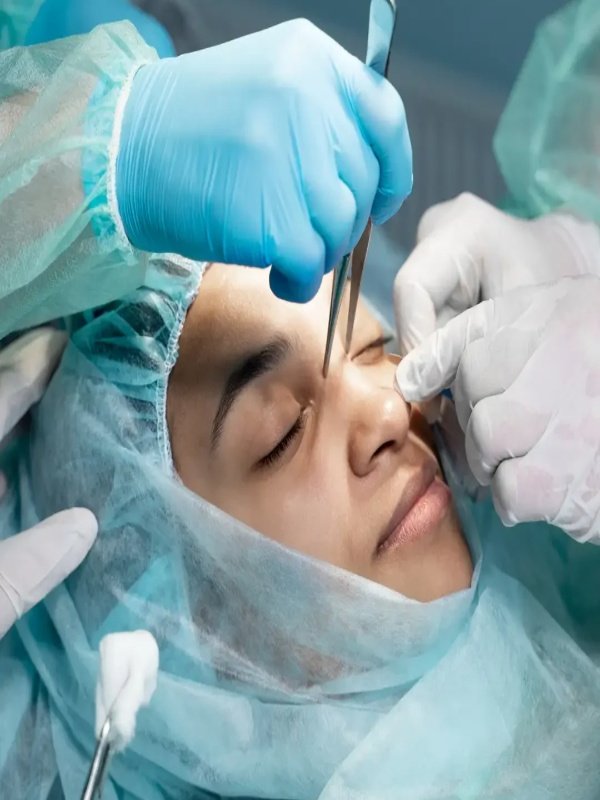
Rhinoplasty is a surgical procedure used to reshape the nose and improve its proportion with the rest of the face. It can address concerns involving the bridge, nasal tip, nostrils, or overall shape of the nose. In selected patients, rhinoplasty can also be performed to address structural problems that affect nasal breathing.
 
Dr. Ankit Shah evaluates the structure of the nose, facial proportions, skin and cartilage, and the patient’s concerns before planning surgery. The procedure may involve reshaping bone or cartilage, adjusting the nasal tip, reducing the width of the nostrils, or correcting the nasal base. When breathing problems are related to a deviated septum or another structural issue, functional correction may be considered along with rhinoplasty.

Types Of Rhinoplasty

Cosmetic Rhinoplasty

Cosmetic rhinoplasty focuses on changing the shape, size, or proportions of the nose to create better balance with the facial features.

Septorhinoplasty

Septorhinoplasty combines nose reshaping with correction of a deviated nasal septum. It may be considered when both nasal appearance and breathing are concerns.

Alar Reduction

Alar reduction reduces the width or shape of the nostrils when the nasal base appears wider than desired. The amount of tissue removed is carefully planned according to the overall nose shape.

Tip Rhinoplasty

Tip rhinoplasty focuses on the shape, position, or definition of the nasal tip. It may be used for concerns such as a broad, drooping, or less-defined tip.

Sill Correction

Nasal sill correction addresses the area at the base of the nostrils and may be performed when the shape or width of the nasal base requires correction.

Conditions Corrected during rhinoplasty Surgery

A prominent nasal bridge or hump can affect the side profile of the face. Rhinoplasty can reshape the underlying bone and cartilage.

create a smoother nasal contour.

A septum that is displaced from the centre can contribute to difficulty breathing through the nose.

Septal correction may be combined with rhinoplasty when appropriate.

A depressed or flattened nasal bridge may result from trauma, previous surgery, or loss of cartilage support.

Structural grafting may be required in selected cases to restore the bridge.

A depression above the nasal tip can interrupt the natural contour of the nose. Depending on the cause.

Cartilage reshaping or grafting may be used to improve the transition.

A broad nasal base or wide nostrils can affect the overall proportions of the nose.

Alar or sill correction may be considered when appropriate.

Who Can Benefit?
Adults who are concerned about the shape, size, or proportions of their nose.
Patients with a prominent nasal hump, broad nasal base, or concerns about the nasal tip.
Individuals with nasal asymmetry or changes caused by previous injury.
Patients who have both cosmetic concerns and selected structural breathing problems.

People in good general health with realistic expectations about surgical changes.

Rhinoplasty in udaipur

Why Trust Us With Your rhinoplasty?

Dr. Ankit Shah

Detailed Nasal Assessment

The structure of the nose and its relationship with the surrounding facial features are assessed before surgery is planned.

Treatment Based on Facial Proportion

Changes are planned according to the patient’s individual facial structure rather than following a standard nose shape.

Functional Considerations

When breathing problems are present, the internal nasal structures are also assessed so that functional concerns can be considered during treatment planning.

Careful Surgical Planning

The required changes to the bridge, tip, nostrils, or nasal base are planned according to the patient’s anatomy and treatment goals.

What to Expect During & After Surgery

During Surgery

Rhinoplasty is performed under anesthesia. Depending on the treatment plan, the surgeon reshapes bone and cartilage, refines the nasal tip, adjusts the nostrils, or corrects structural problems. The approach and extent of surgery depend on the changes required.

Recovery

Swelling and bruising around the nose and eyes are common during the early recovery period. Nasal congestion may also occur temporarily. Patients need to protect the nose from pressure and impact while the tissues heal.

Results

The basic change in nasal shape becomes apparent as early swelling settles. However, the nose continues to change gradually as swelling decreases and the tissues heal. The final appearance may take several months to become fully established.

Follow-Up

Follow-up visits allow the surgeon to assess healing, swelling, nasal shape, and any functional concerns. Instructions regarding nasal care and activity are provided during recovery.

Frequently Asked Questions About Rhinoplasty

The procedure is performed under anesthesia, so pain is not felt during surgery. Some pressure, congestion, tenderness, and discomfort can occur during the first few days and can usually be managed with prescribed medication.
The duration depends on the type and extent of correction required. A straightforward cosmetic procedure may take less time than a complex structural or revision procedure.
The location of incisions depends on the surgical approach. In an open rhinoplasty, the external incision is placed across the columella and is generally designed to be as discreet as possible once healed. Some procedures can be performed through internal incisions.
Swelling is most noticeable during the early recovery period and gradually decreases. Some residual swelling, particularly around the nasal tip, can persist for several months.
Rhinoplasty can address certain structural problems, particularly when combined with procedures such as septal correction. However, improvement in breathing depends on the underlying cause of the problem.
The structural changes made during surgery are intended to be long-lasting. The nose continues to undergo normal aging changes over time.
Many patients can return to desk-based work after the initial recovery period, depending on swelling and bruising. Activities that could put pressure on or injure the nose need to be avoided for longer.
Yes. Rhinoplasty can be used to address certain changes caused by trauma, including nasal deformity, asymmetry, or structural problems. The required correction depends on the extent of the injury.

Refine Your Nose With Careful Surgical Planning
Schedule a consultation with Dr. Ankit Shah to discuss your nasal concerns and understand the rhinoplasty options suitable for your facial structure in Udaipur.
Scroll to Top